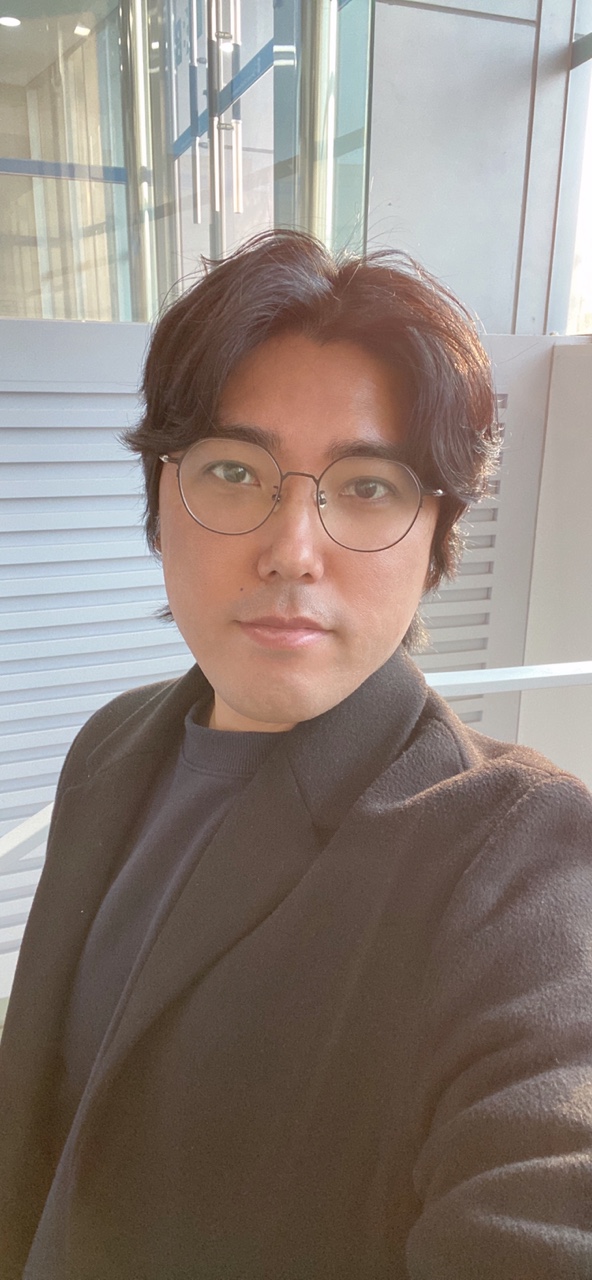
About
I am a computational scientist and AI researcher developing machine learning and statistical methods for biomedical discovery. I am currently a postdoctoral research fellow at the Cancer Data Science Laboratory (CDSL), NCI/CCR, NIH, where my research focuses on computational immuno-oncology and the inference of cell–cell communication. In particular, I develop methods to infer the activity of secreted proteins and characterize how signaling is coordinated across cells and tissues using bulk, single-cell, and spatial transcriptomics — work that integrates biological knowledge, statistical modeling, and machine learning to uncover signaling mechanisms, identify clinically relevant biomarkers, and improve our understanding of therapeutic response.
More broadly, my methodological interests include biologically informed machine learning, representation learning, foundation and self-supervised learning, sparse modeling, and statistical methods for evaluating biological data and model quality. Before focusing on computational immuno-oncology, I worked on gene-expression-based disease and drug-response prediction, biosignal processing and diagnostic modeling, and microfluidic systems for synthetic biology. That interdisciplinary training — mechanical engineering, bioengineering, computational biology, and AI — lets me approach biomedical problems from both methodological and biological perspectives.
Current focus
- Cell–cell communication and cytokine-activity inference. Co-author on SecAct, a framework for inferring the signaling activities of 1,170 human secreted proteins from spatial, single-cell, and bulk transcriptomics (Nature Methods 2026), plus open-source tools for regression-based activity inference from transcriptomic data. I am the author of secactpy (Python, hosted under the Jiang Lab organization) and spatial-gpu (GPU-accelerated spatial kernels), and a contributor to the related Jiang Lab R packages secact and spacet.
- Clinical biomarker discovery. Prior-informed machine learning for disease-phenotype prediction, including immune-checkpoint-blockade response (IC2Bert, Scientific Reports 2025) and chemotherapy response in TNBC.
- AI in precision oncology. Co-author on “Hallmarks of artificial intelligence contributions to precision oncology” (Nature Cancer 2025), an analysis of where AI has — and has not — moved the needle in oncology.
- Overlap statistics and sparse representation. Effect-size measures (GSSMD, GMDM), sparse-coding-based classifiers, and self-supervised learning for biosignal reproducibility.
Several projects are ongoing at NCI/CDSL; releases and manuscripts will be linked on the Research and Publications pages as they become available.